Choosing organic wisely
What does organic mean?
Do you need to buy everything organic? No. Here are the fruit and vegetables where organic really makes a difference, how to pay less for it, and the labels to recognise in the shop.
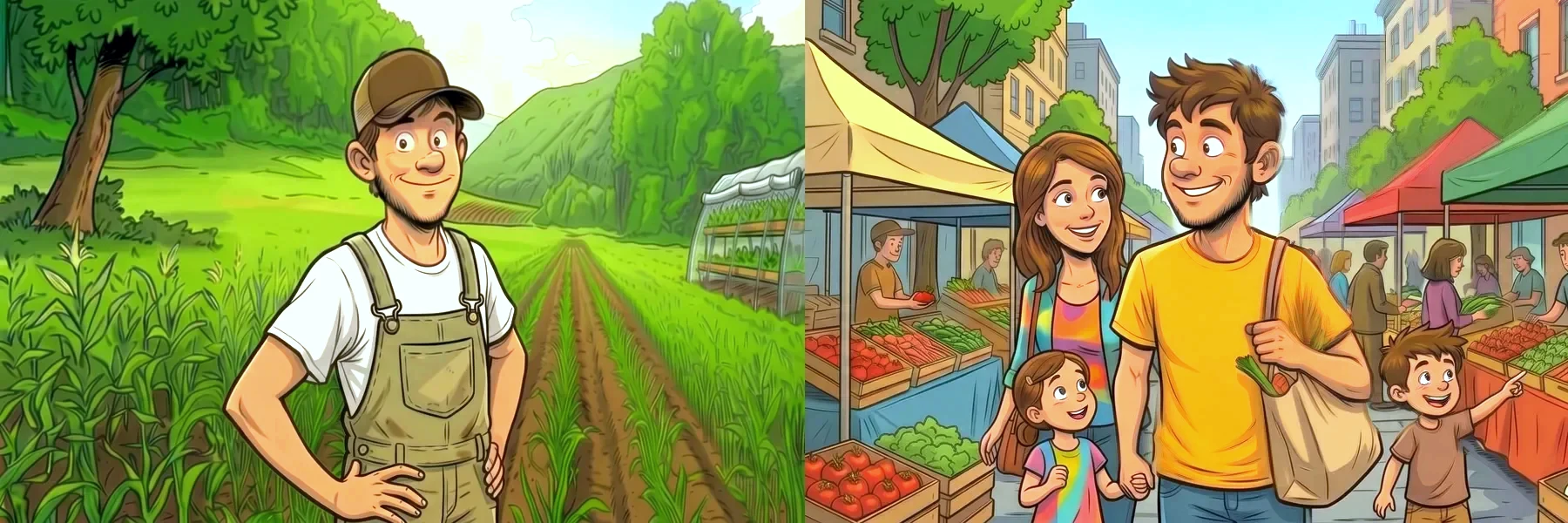
An organic fruit or vegetable has grown without chemical pesticides or synthetic fertilisers. You can spot it by the green AB logo or the little European leaf made of stars.
Organic or not? Where it matters most
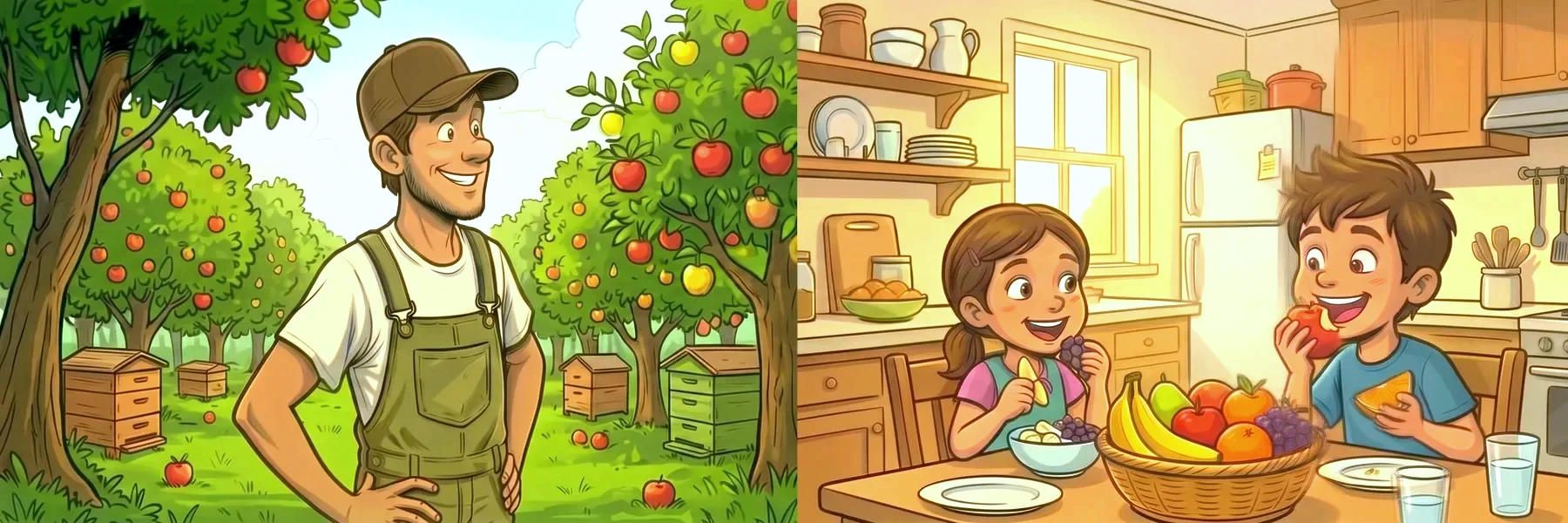
No need to buy everything organic. Thin-skinned fruit eaten with the skin on are the most treated; those protected by a thick skin or grown with few treatments are much less so.
Best bought organic
 Strawberry
 Grape
 Apple
 Pear
 Peach
 Cherry
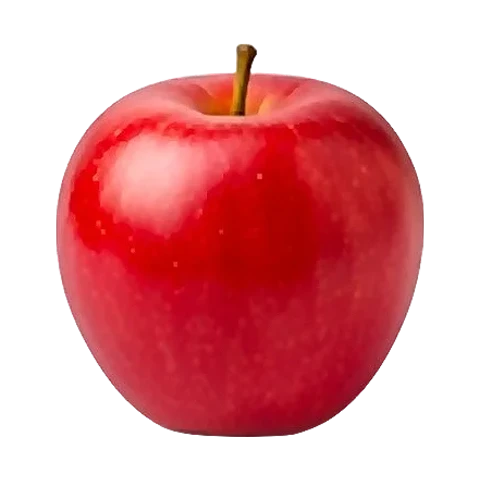
Thin skin, eaten whole, often treated several times a season.
 Avocado
 Onion
 Cabbage
 Sweetcorn
Buying organic on a budget
Five simple habits for eating organic on a small budget.
- Seasonal In peak season, organic produce is plentiful and its price gets close to conventional. See the calendar →
- At the market Organic growers sell there with no middleman. At the end of the market, you can often haggle over unsold produce. Find a market →
- Loose, unpackaged Dried fruit, pulses, grains: with no packaging, you pay less and buy just the right amount.
- With a veg box scheme (AMAP) A subscription with a local grower: an organic box every week, at a fixed price all year round.
- At the farm Buying direct cuts out the margins: farm shops and producers near you are often the cheapest way to buy organic.
Organic, local, seasonal: what’s the difference?
Three different promises that complement each other. Ideally: all three at once.
Organic certifications
In French shops, several logos sit side by side. They all guarantee farming without synthetic chemical pesticides or fertilisers, but some go further on origin, fairness or farming practices.
-
 AB — Agriculture Biologique (organic farming)
French logo
The best-known organic label in France. It guarantees at least 95 % organic ingredients, with no synthetic chemical pesticides or GMOs. It follows the same rules as the EU logo.
-
 Euro-leaf
EU organic logo
Mandatory on all packaged organic products sold in the European Union. It shows the certification body’s code and the origin of the raw materials (EU, non-EU).
-
 Bio Cohérence
French association label
Goes further than EU rules: 100 % organic ingredients, fully organic farms, preference for French origin and social requirements.
-
 Nature & Progrès
Association label
Founded in 1964, an organic pioneer. Stricter standards than AB, checked by producers and consumers themselves (a participatory system).
-
 Demeter
Biodynamic label
Biodynamic farming: the farm seen as a living organism, natural preparations, following lunar rhythms. Organic certification is required first.
-
 Bio Équitable en France
Organic and fair-trade label
French organic supply chains with a fair price guaranteed to producers, multi-year contracts and shared governance.
-
 Biopartenaire
Organic and fair-trade label
Combines organic and fair trade, in France and internationally: fair pay for producers and long-term trading relationships.
The organic farmer’s tricks
Without chemicals, how do you protect your fruit and vegetables? With nature!
- Ladybirds Instead of chemicals, the organic farmer invites ladybirds: just one can eat dozens of aphids a day!
- Compost Peelings and manure become a natural fertiliser. Earthworms love it and bring the soil to life.
- Moving around Every year, the vegetables move to a different corner of the field. That way, the little bugs that love them can’t find them.
- Straw at the base To stop weeds growing, straw is put around the plants, or the weeds are pulled out by hand.
Be a detective at the shop
While shopping, look for these two logos on the labels. How many organic products will you find?
The AB logoGreen and white, it’s the French logo.
The starry leafA leaf made of stars: the European logo.
True or false?
Five common ideas about organic. Click to reveal the answer.
Guess the answer, then click to check!