Apple
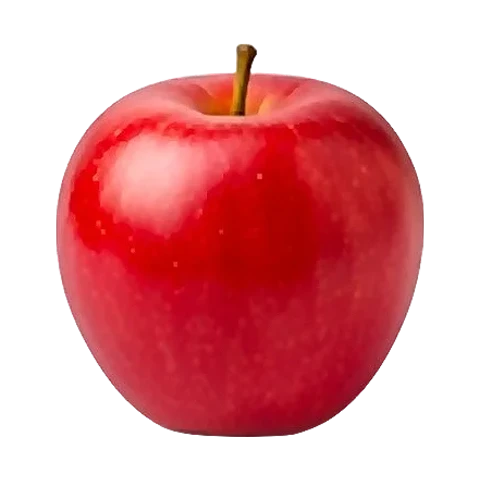
The most eaten fruit in France; late varieties keep all winter.
- Season: January, February, March, April, August, September, October, November, December
- Peak season: September, October, November
- Botanical family: Rosaceae
History
The cultivated apple descends from a wild apple tree from the mountains of Kazakhstan, spread along the Silk Road. The Greeks and Romans developed grafting, and medieval monasteries multiplied the varieties. Today it is the most eaten fruit in France.
Origin and growing regions
France is one of Europe’s leading apple producers:
- Loire Valley
- Provence-Alpes-Côte d’Azur
- Nouvelle-Aquitaine
- Normandy
Limousin apples have a PDO, and apples from the Alpes de Haute-Durance a PGI.
Benefits
The apple deserves its reputation as a healthy fruit:
- Fibre (pectin): It helps you feel full and aids digestion.
- Polyphenols: Concentrated in the skin: best eaten whole.
- Moderate energy: About 52 kcal per 100 g.
- Vitamin C: Especially in tart varieties.
Varieties
- Golden: Yellow and sweet, the most grown in France.
- Granny Smith: Green, tart and crunchy.
- Gala: Streaked with red, mild.
- Pink Lady: Pink, sweet and tangy.
- Reinette grise du Canada: Rough skin, perfect in tarts.
Zero waste
- Storing: Somewhere cool and dry, or in the fridge: several weeks. Away from other fruit, which it makes ripen.
- Freezing: As compote or in quarters with lemon juice: up to 12 months.
- Nothing goes to waste: Peelings and cores make a jelly or cider vinegar. Bruised apples make the best compote.